
Post
Smart Refrigerator: The Intelligent Core of the Modern Kitchen
May
 In the evolution of home appliances, few products have transformed as dramatically as the refrigerator. What was once a simple cooling box designed solely for food preservation has now become a highly intelligent system that integrates artificial intelligence, connectivity, and energy optimization. The Smart Refrigerator represents the next generation of kitchen technology, redefining how households store, manage, and interact with food on a daily basis.
Modern lifestyles demand more than just cooling performance. People now expect appliances to be efficient, intelligent, and capable of adapting to their routines. Smart refrigerators meet these expectations by combining advanced cooling systems with digital intelligence, creating a seamless experience that goes far beyond traditional refrigeration.
At the foundation of every smart refrigerator is advanced cooling technology powered by inverter systems. Unlike conventional compressors that operate in a fixed on-off cycle, inverter compressors adjust their speed dynamically based on internal temperature conditions. This allows the refrigerator to maintain a consistent cooling level without unnecessary energy spikes. When the door is opened frequently or new groceries are added, the system increases cooling power. When the internal environment stabilizes, it reduces power consumption. This continuous adjustment improves energy efficiency, reduces noise, and extends the lifespan of the appliance.
Energy optimization is one of the most important advantages of smart refrigeration systems. Since refrigerators operate 24 hours a day, even small improvements in efficiency can lead to significant long-term savings. Smart systems use temperature sensors placed throughout different compartments to ensure precise cooling distribution. Instead of cooling the entire unit at maximum power, the system intelligently targets specific zones based on usage and temperature variation. This ensures optimal performance while minimizing wasted energy.
Another key innovation is multi-zone cooling architecture. Modern smart refrigerators are divided into separate cooling zones, each designed for specific types of food storage. Fresh produce compartments maintain higher humidity levels to preserve fruits and vegetables, while dry storage areas are optimized for packaged goods. Freezer zones operate independently to ensure deep freezing without affecting other sections. This compartmentalized system allows for more precise food preservation and reduces cross-contamination of odors.
Smart refrigerators also introduce AI-driven food management systems, which significantly enhance user convenience. Some advanced models are equipped with internal cameras that capture images of stored items. These images can be accessed remotely through mobile applications, allowing users to check their fridge contents while shopping. This helps reduce unnecessary purchases and prevents food waste.
In addition to visual monitoring, AI systems can track food expiration dates and usage patterns. The refrigerator can send notifications when items are close to expiration or suggest recipes based on available ingredients. This transforms the refrigerator into a smart assistant that actively supports meal planning and household management.
Connectivity plays a major role in the functionality of smart refrigerators. With Wi-Fi integration and mobile app control, users can remotely adjust temperature settings, activate energy-saving modes, or receive maintenance alerts. Some systems also support voice control through smart assistants, enabling hands-free operation in the kitchen. This level of connectivity ensures that users remain in control of their appliance at all times, regardless of location.
Modern smart refrigerators are also designed with interactive digital interfaces, often featuring touchscreen displays on the door. These screens serve multiple purposes beyond temperature control. Users can access calendars, leave notes for family members, browse recipes, or even stream media content while cooking. This turns the refrigerator into a central communication and entertainment hub within the home.
Another important feature is Eco Mode operation, which allows the refrigerator to reduce energy consumption during low-usage periods. When activated, Eco Mode adjusts cooling intensity and compressor activity to maintain efficiency without compromising food safety. This is particularly useful during vacations or times when the household is less active.
Noise reduction is another significant improvement in smart refrigerator design. Traditional refrigerators often produce noticeable sounds due to compressor cycling. In contrast, inverter-based systems operate smoothly and continuously, significantly reducing noise levels. This makes smart refrigerators ideal for open-plan kitchens and modern living spaces where silence and comfort are important.
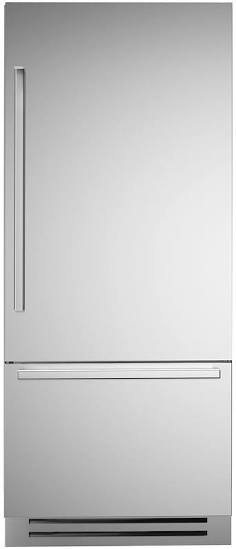
From a design perspective, smart refrigerators are built with a strong emphasis on minimalism and elegance. Clean surfaces, flat door designs, hidden handles, and premium materials such as stainless steel or matte finishes contribute to a sophisticated appearance. LED interior lighting enhances visibility while adding a modern aesthetic touch. These design elements ensure that the refrigerator blends seamlessly into contemporary kitchen environments.
Maintenance and diagnostics have also become more advanced. Smart refrigerators can detect potential issues such as temperature inconsistencies, door seal leaks, or cooling inefficiencies. Instead of waiting for a breakdown, the system alerts users in advance through notifications. Some models even provide diagnostic codes that help technicians quickly identify and resolve problems, reducing repair time and cost.
Durability is another important aspect of smart refrigerator design. High-quality materials, reinforced shelving systems, and improved insulation ensure long-term reliability. Many models are designed to withstand heavy daily usage while maintaining consistent performance over many years.
Looking toward the future, smart refrigerators are expected to become even more intelligent and integrated into broader smart home ecosystems. Artificial intelligence will play a larger role in predicting user behavior, automatically adjusting cooling settings based on consumption habits, and even coordinating with grocery delivery services. For example, a refrigerator may detect low stock levels and automatically suggest shopping lists or place orders through connected platforms.
Sustainability will also be a major focus in future developments. Manufacturers are increasingly adopting eco-friendly refrigerants and recyclable materials to reduce environmental impact. Combined with energy-efficient inverter systems, these innovations contribute to greener and more responsible household living.
In conclusion, the Smart Refrigerator is no longer just a cooling appliance but a fully integrated intelligent system that enhances modern living. It combines advanced refrigeration technology, artificial intelligence, connectivity, and elegant design to deliver a powerful and efficient kitchen solution. By improving energy efficiency, reducing food waste, and simplifying household management, smart refrigerators are redefining the role of kitchen appliances in the digital age. As technology continues to advance, they will become even more essential in creating connected, sustainable, and intelligent homes.
