Post
Eco-Inverter Cooling Refrigerator: Smart Efficiency for Modern Living
May
 In today’s fast-paced world, home appliances are expected to deliver more than basic functionality. They must be intelligent, energy-efficient, durable, and capable of adapting to modern lifestyle needs. Among these essential appliances, the refrigerator plays one of the most critical roles, operating continuously every day to preserve food, maintain freshness, and support household organization. The Eco-Inverter Cooling Refrigerator represents a new generation of cooling technology designed to meet these expectations with a combination of smart engineering, energy optimization, and advanced temperature control systems.
Unlike traditional refrigerators that operate using fixed-speed compressors and simple cooling cycles, Eco-Inverter Cooling Refrigerators utilize advanced inverter technology that allows the compressor to adjust its speed dynamically. This means the cooling system does not simply turn on and off repeatedly; instead, it continuously regulates its power output based on internal temperature conditions. When the refrigerator door is opened frequently or warm food is added, the system increases cooling power. When the temperature stabilizes, it reduces energy consumption while maintaining consistent cooling. This intelligent operation significantly improves energy efficiency and reduces mechanical stress on the compressor.
Energy efficiency is one of the most important advantages of Eco-Inverter technology. Since refrigerators operate 24 hours a day, even small improvements in energy consumption can lead to significant long-term savings. Inverter systems optimize electricity usage by avoiding sudden power spikes and unnecessary compressor cycling. This not only reduces electricity bills but also contributes to a more environmentally sustainable household. As global awareness of energy conservation continues to grow, Eco-Inverter refrigerators are becoming a preferred choice for modern consumers.
Another key feature of Eco-Inverter Cooling Refrigerators is multi-airflow cooling technology. This system ensures that cold air is distributed evenly throughout all compartments of the refrigerator. Instead of relying on a single cooling point, multiple air vents circulate cold air in different directions. This prevents temperature inconsistencies and ensures that every shelf maintains optimal cooling conditions. As a result, fruits, vegetables, dairy products, and frozen foods remain fresh for longer periods without spoilage or uneven freezing.
Modern Eco-Inverter refrigerators also focus heavily on smart temperature control systems. Built-in sensors continuously monitor internal conditions and automatically adjust cooling levels as needed. These sensors detect temperature changes caused by door openings, food placement, or environmental variations. By responding instantly to these changes, the refrigerator maintains a stable internal environment, ensuring food safety and freshness at all times.
Storage efficiency is another important aspect of modern refrigerator design. Eco-Inverter refrigerators are equipped with intelligently designed compartments and adjustable shelving systems that allow users to organize food more effectively. Tempered glass shelves provide strong support for heavy items, while adjustable configurations allow flexible storage arrangements. Dedicated sections for vegetables, fruits, beverages, and frozen items help maintain proper storage conditions for different food types.
Humidity control is also an essential feature in modern refrigeration systems. Crisper drawers are designed to regulate moisture levels, keeping fruits and vegetables fresh for longer periods. By maintaining optimal humidity, these compartments prevent dehydration and preserve the natural texture and nutritional value of fresh produce. This is especially important for households that store large quantities of fresh food on a daily basis.
Noise reduction is another significant improvement in Eco-Inverter refrigerators. Traditional compressors often produce noticeable sound due to frequent start-stop cycles. In contrast, inverter compressors operate smoothly and continuously at variable speeds, significantly reducing vibration and noise levels. This creates a quieter home environment, which is particularly beneficial in open kitchen layouts or small living spaces.
Modern refrigerators also incorporate Eco Mode functionality, which further enhances energy savings during periods of low usage. When activated, Eco Mode reduces compressor activity and optimizes cooling cycles without compromising food safety. This feature is especially useful during nighttime or when the household is away for extended periods. By balancing performance and efficiency, Eco Mode contributes to lower electricity consumption.
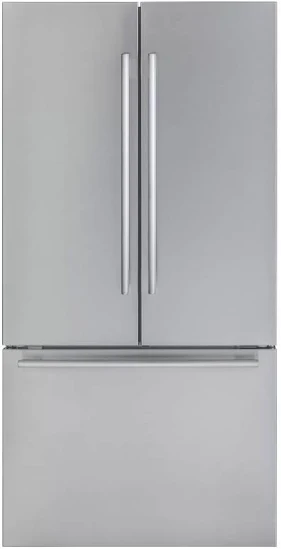
Design is another important factor in modern refrigerator development. Eco-Inverter Cooling Refrigerators are built with a focus on minimalist and premium aesthetics. Sleek stainless steel finishes, matte surfaces, and clean door designs allow the appliance to blend seamlessly into modern kitchen interiors. LED interior lighting improves visibility while adding a sophisticated visual touch. The overall design emphasizes both functionality and elegance, making the refrigerator a central feature of the kitchen space.
Durability and reliability are also key priorities in Eco-Inverter systems. High-quality compressors, reinforced insulation, and advanced cooling components ensure long-term performance even under continuous operation. Manufacturers also focus on improving energy stability and reducing wear and tear on internal systems, resulting in longer appliance lifespan and reduced maintenance requirements.
Smart monitoring and diagnostic systems have also been integrated into modern refrigerators. These systems can detect potential issues such as temperature fluctuations, door seal problems, or cooling inefficiencies. Instead of waiting for a failure, the refrigerator alerts users through notifications, allowing for early maintenance and reducing repair costs. Some models even include self-diagnostic tools that help technicians quickly identify problems.
Looking toward the future, Eco-Inverter Cooling Refrigerators are expected to become even more intelligent and connected. Artificial intelligence will play a larger role in analyzing usage patterns and optimizing cooling performance automatically. For example, the system may learn household routines and adjust cooling cycles based on peak usage times. Integration with smart home ecosystems will also allow refrigerators to communicate with other appliances such as ovens, washing machines, and energy management systems.
Sustainability will continue to be a major focus in future refrigerator development. Manufacturers are increasingly adopting eco-friendly refrigerants, recyclable materials, and energy-efficient production processes. These innovations help reduce environmental impact while maintaining high performance standards. As consumers become more environmentally conscious, demand for sustainable appliances is expected to increase significantly.
In conclusion, the Eco-Inverter Cooling Refrigerator represents a major advancement in home refrigeration technology. It combines intelligent temperature control, energy-efficient inverter systems, multi-airflow cooling, and modern design into a single powerful appliance. By improving food preservation, reducing energy consumption, and enhancing user convenience, it has become an essential part of modern households. As technology continues to evolve, Eco-Inverter refrigerators will play an increasingly important role in shaping smarter, more efficient, and more sustainable living environments.
