
Post
Front Load vs Top Load Washing Machine: 7 Key Differences You Must Know
Jun
Front Load vs Top Load Washing Machine: 7 Key Differences You Must Know
The front load vs top load washing machine debate is one of the most common questions homeowners face when shopping for a new appliance. Both designs have distinct advantages and trade-offs. Understanding these differences ensures you invest in the washer that best fits your home, budget, and laundry habits. This guide covers seven critical comparison points to help you decide with confidence.link.site
Overview: Front Load vs Top Load Washing Machine
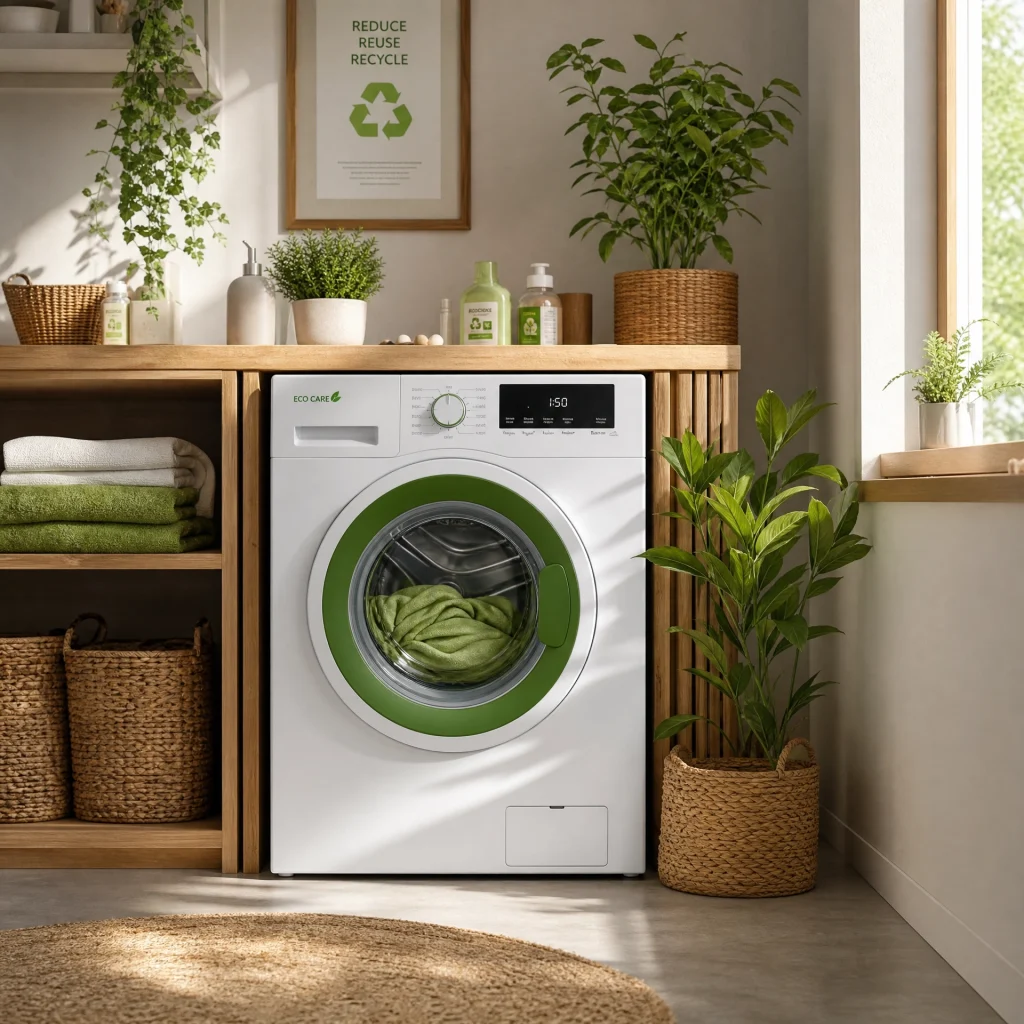
Front-loading machines tumble clothes through a horizontal drum, using gravity and mechanical action to clean fabrics. Top-loading machines fill with water and either use an agitator post or impeller plate to move clothes through the wash solution. Each approach has different implications for energy use, fabric care, cleaning performance, and ergonomics.
7 Key Differences Between Front Load and Top Load Washing Machines
Difference 1: Energy and Water Efficiency
Front-loading machines consistently win the front load vs top load washing machine efficiency comparison. They use 40% to 50% less water than traditional top-loaders with agitators because the horizontal drum only requires enough water to saturate and tumble the clothes, not submerge them entirely. Front-loaders also extract more water during the spin cycle, reducing drying time and associated energy costs.
High-efficiency (HE) top-loaders with impellers close the gap somewhat, using significantly less water than traditional top-loaders. However, they still cannot match front-loaders for total water consumption per cycle.
Difference 2: Cleaning Performance
Independent testing consistently shows front-loading machines achieve superior stain removal. The tumbling action forces detergent-loaded water through fabric fibers repeatedly and from multiple angles. Top-loaders with agitators can be rough on delicate fabrics and sometimes tangle items. Impeller-based HE top-loaders are gentler but typically score slightly lower than front-loaders on cleaning benchmarks.
For heavily soiled work clothes and sportswear, the front-loader’s performance advantage is most pronounced. For lightly soiled everyday items, both machines produce excellent results.
Difference 3: Upfront Cost
Top-loading machines are generally less expensive to purchase. Entry-level top-loaders start around $400 to $600. Front-loaders typically start at $700 and can exceed $2,000 for premium models with advanced features. If upfront budget is a primary constraint, the top-loader offers more accessible pricing.
However, front-loaders often offset their higher purchase price through long-term savings on water, electricity, and detergent costs — a key consideration in the total cost of ownership calculation.
Difference 4: Ergonomics and Ease of Use
This is one area where top-loading machines hold a clear advantage in the front load vs top load washing machine comparison. Loading and unloading a top-loader requires no bending, making it far more comfortable for users with back pain, mobility limitations, or taller stature. Front-loaders require bending down, though many owners install them on pedestals or drawers that raise the drum to a comfortable working height.
Front-loaders also lock the door during a cycle for safety, meaning you cannot add forgotten items partway through. Top-loaders allow mid-cycle additions with no difficulty.
Difference 5: Cycle Time
Top-loading machines complete a standard cycle in 35 to 55 minutes on average. Front-loaders take longer — typically 70 to 120 minutes — because they use less water and require more mechanical tumbling time to achieve the same level of cleaning. For households that do many loads consecutively, the longer front-loader cycle time can affect daily laundry scheduling.
Quick wash programs on modern front-loaders have narrowed this gap considerably, with many models completing a light load in 15 to 30 minutes.
Difference 6: Maintenance Requirements
Front-loaders require more proactive maintenance than top-loaders. The horizontal drum design means the door seal collects moisture, creating ideal conditions for mold and mildew growth if not dried and cleaned regularly. Users must consistently wipe the gasket after use and run monthly drum-clean cycles.
Top-loaders are less prone to odor and mold because the vertical drum orientation allows the interior to dry out naturally. However, agitator-based top-loaders still benefit from regular cleaning to prevent detergent buildup around the agitator post.
Difference 7: Space Requirements and Stacking Options
Front-loaders can be stacked with a compatible dryer using a stacking kit, allowing both appliances to occupy a single unit’s floor footprint. This is an enormous space-saving advantage in apartments, small laundry closets, or properties where floor space is at a premium.front load vs top load washing machine
Top-loaders cannot be stacked with a dryer and require side-by-side installation. They do, however, allow the dryer to be placed on top using a separate dryer shelf if both units have the same footprint — though this arrangement is less common and less stable than purpose-built stacking solutions.front load vs top load washing machine
Front Load vs Top Load: Quick Comparison Summary
- Energy efficiency: Front-loader wins
- Water usage: Front-loader wins
- Cleaning performance: Front-loader wins
- Upfront price: Top-loader wins
- Ergonomics: Top-loader wins
- Cycle speed: Top-loader wins
- Stacking capability: Front-loader wins
- Maintenance ease: Top-loader wins
Which Should You Choose?
Choose a Front-Loader If You:
- Want the best possible cleaning performance
- Need to stack the washer and dryer to save space
- Prioritize long-term energy and water savings
- Wash many delicate or performance fabricsfront load vs top load washing machine
Choose a Top-Loader If You:
- Need a lower upfront investment
- Have back issues or prefer to load without bending
- Frequently add forgotten items mid-cycle
- Want faster cycle times for busy laundry days
Frequently Asked Questions
Do front-loaders last longer than top-loaders?
Both types last approximately 10 to 15 years with proper maintenance. Front-loaders may experience more issues with door seals and bearings over time due to their horizontal drum orientation. Top-loaders are generally simpler mechanically, which can translate to lower repair costs and fewer breakdowns over the machine’s lifespan.
Is the extra cost of a front-loader worth it?
For most households, yes. The combination of superior cleaning, energy savings, and fabric care delivers measurable long-term value. If you do six or more loads per week, the water and electricity savings of a front-loader typically offset the higher purchase price within three to four years.front load vs top load washing machine
Conclusion
In the front load vs top load washing machine debate, there is no universally correct answer. Both designs excel in different contexts. Front-loaders suit those who prioritize performance, efficiency, and space-saving versatility. Top-loaders make more sense for budget-conscious buyers, those with ergonomic needs, or households that value speed and simplicity. Use the comparison points above to identify which machine aligns with your daily reality.front load vs top load washing machine
Understanding Total Cost of Ownership
The purchase price is only one component of what a washing machine truly costs over its lifetime. To accurately compare models, calculate the total cost of ownership over a ten-year period. Add the purchase price to the projected ten-year utility costs based on the machine’s annual energy and water consumption figures, plus an estimated repair allowance. Front-loaders typically cost more upfront but generate lower utility costs. A $900 front-loader with annual utility costs of $35 per year costs approximately $1,250 over ten years. A $550 top-loader with annual utility costs of $70 per year costs approximately $1,250 over the same period — meaning the seemingly cheaper machine is not actually less expensive when viewed across its working life.
Brand reliability also affects total cost of ownership through repair frequency. Machines from consistently reliable brands like LG and Miele require fewer service calls on average than machines from less reliable manufacturers. Factor in estimated repair costs of $150 to $300 per incident when comparing brands with different reliability track records in your research.front load vs top load washing machine
Where to Buy: Retailer vs. Direct vs. Online
Purchasing from a major appliance retailer with a physical showroom allows you to view and test the machine before buying, negotiate installation terms, and establish a direct service relationship. Buying directly from the manufacturer’s website or showroom sometimes provides access to exclusive models or color options not stocked by third-party retailers. Online-only purchases frequently offer the lowest prices but require more diligence in verifying delivery, installation, and returns policies. Whichever channel you choose, confirm that delivery includes connection to your water supply and removal of your old machine before completing the purchase.
