
Post
How to Clean a Washing Machine: 5 Proven Steps for a Fresh & Spotless Drum
Jun
How to Clean a Washing Machine: 5 Proven Steps for a Fresh & Spotless Drum
Knowing how to clean a washing machine is essential for every homeowner. Over time, detergent residue, hard water deposits, mold, and bacteria accumulate inside the drum, door seal, and detergent drawer. A dirty washer does not clean clothes effectively and can leave them smelling worse than before. This comprehensive guide walks you through five proven steps to restore your machine to its best condition.link.site
Why You Need to Know How to Clean a Washing Machine Regularly
Most people assume their washing machine cleans itself during every cycle. Unfortunately, that is a common misconception. Soap scum, mineral deposits, and moisture create the perfect environment for mold and mildew growth. Regularly cleaning your machine extends its lifespan, improves washing performance, and keeps clothes genuinely fresh.
Experts recommend performing a deep clean at least once a month, or more frequently if you notice unpleasant odors or visible residue on your drum or clothes.
What You Will Need
- White distilled vinegar (2 cups)
- Baking soda (1/2 cup)
- Microfiber cloths
- Old toothbrush or small scrubbing brush
- Commercial washing machine cleaner tablet (optional)
- Rubber gloves
Step-by-Step: How to Clean a Washing Machine
Step 1: Clean the Detergent Drawer
Remove the detergent drawer completely. Most drawers slide out with a press of a tab. Rinse it under warm water and use an old toothbrush to scrub away caked detergent and fabric softener residue. Wipe the drawer cavity inside the machine with a damp cloth. Dry thoroughly before reinserting.
Step 2: Scrub the Door Seal (Front-Loaders Only)
The rubber gasket around the door is a prime breeding ground for black mold. Pull back the folds of the seal and wipe with a cloth soaked in a 1:1 solution of white vinegar and water. Use the toothbrush for stubborn mold spots. Rinse with a clean damp cloth and dry completely.
If mold is deeply embedded, apply a small amount of diluted bleach (1 tablespoon per cup of water), leave for five minutes, then rinse. Avoid using bleach too frequently as it can degrade the rubber seal over time.
Step 3: Run a Hot Drum-Clean Cycle with Vinegar
Pour two cups of white distilled vinegar directly into the drum (not the detergent drawer). Set your machine to the hottest wash cycle available — typically a drum-clean, sanitize, or boil wash setting. Start the cycle and let it run completely. The acetic acid in vinegar dissolves mineral deposits and kills odor-causing bacteria.
Step 4: Follow with a Baking Soda Cycle
After the vinegar cycle finishes, sprinkle half a cup of baking soda directly into the drum. Run another hot cycle. Baking soda neutralizes any remaining vinegar odor, scrubs away loosened grime, and leaves the drum smelling clean and fresh. This two-step combination is one of the most effective natural methods for how to clean a washing machine without harsh chemicals.
Step 5: Wipe Down the Exterior and Control Panel
Dampen a microfiber cloth with warm water and wipe down the entire exterior of the machine, including the top, sides, and front panel. Use a slightly damp cloth (not dripping) around the control panel to avoid water damage to electronics. Pay attention to crevices around buttons and dials where dust and detergent powder collect. how to clean a washing machine
How to Clean a Top-Loading Washing Machine
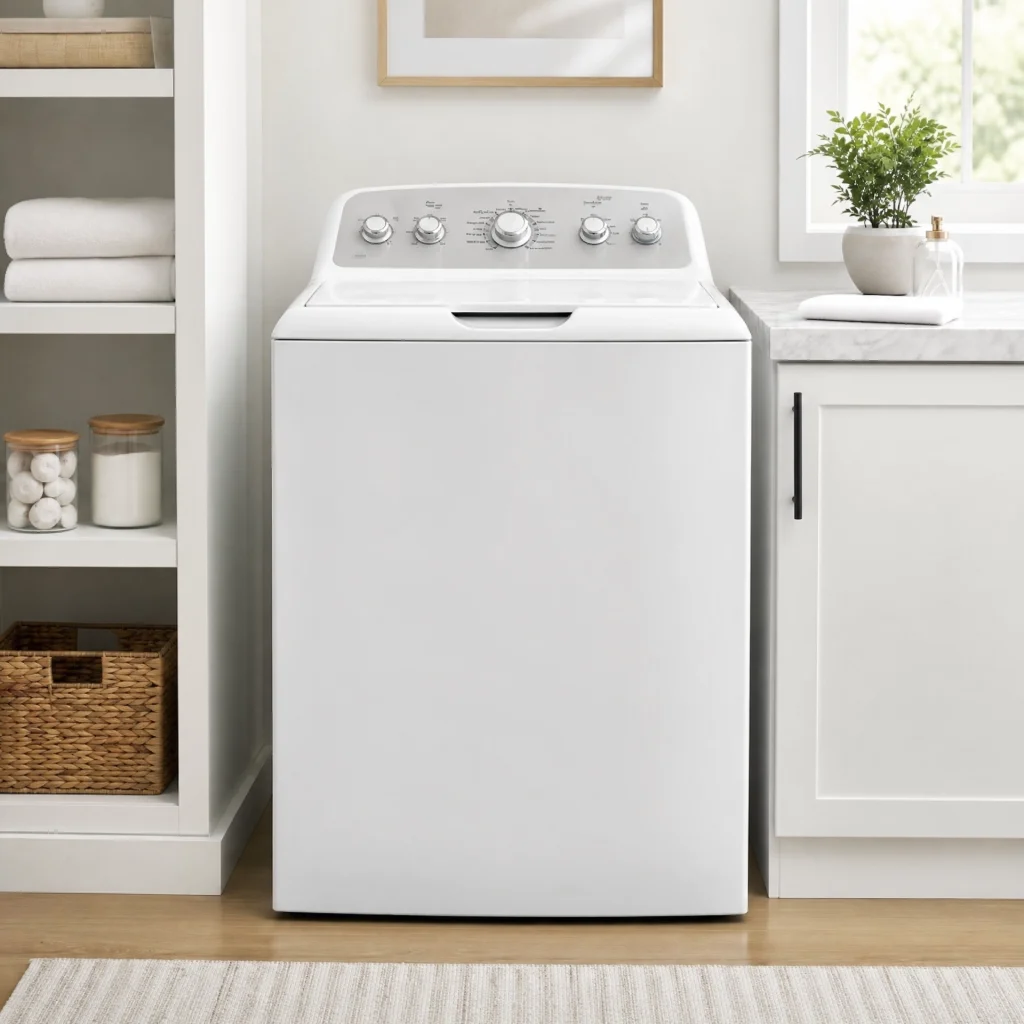
The process is slightly different for top-loaders. Fill the drum with hot water using the largest load setting. Add four cups of white vinegar and pause the cycle for one hour to let the solution soak. Resume and complete the cycle, then run a second cycle with half a cup of baking soda. Clean the agitator and inner walls with a cloth during the soak time. how to clean a washing machine
How to Clean a Front-Loading Washing Machine
Front-loaders require extra attention to the door seal and drum. Because the door sits horizontally, moisture pools in the gasket more easily. After every wash, wipe the seal dry and leave the door slightly open to promote airflow. The vinegar and baking soda method above is perfectly suited to front-loading machines.
How Often Should You Clean Your Washing Machine?
- Monthly: Full drum-clean cycle with vinegar and baking soda
- Weekly: Wipe door seal and leave door open after last load
- Every wash: Remove laundry promptly — wet clothes sitting in the drum encourage mold growth
- Every 3 months: Clean the pump filter (check your manual for location) how to clean a washing machine
Commercial Washing Machine Cleaners vs. DIY Methods
Commercial cleaning tablets such as Affresh and Tide Washing Machine Cleaner are convenient and highly effective, especially for heavy buildup. They contain surfactants and descalers formulated specifically for washer interiors. However, the white vinegar and baking soda method is equally effective, significantly cheaper, and avoids introducing additional chemicals into your machine.
For routine maintenance, DIY methods are perfectly sufficient. Reserve commercial cleaners for deep cleaning quarterly or when the machine has been heavily used with powder detergents, which tend to leave more residue than liquid alternatives.
Signs Your Washing Machine Needs Cleaning Immediately
- Clothes smell musty after washing
- Visible black spots on the drum or door seal
- White chalky deposits inside the drum (hard water scale)
- Detergent residue on freshly washed clothes
- An unusual smell coming from the machine even when idle how to clean a washing machine
Frequently Asked Questions
Can I use bleach to clean my washing machine?
Yes, but use it sparingly. Add one cup of bleach to the drum and run the hottest cycle. Bleach is effective against mold and bacteria but can degrade rubber seals and gaskets if used too frequently. Rinse the drum with an additional empty cycle after using bleach.
How do I clean the filter on my washing machine?
Most front-loaders have a small access panel near the bottom of the machine. Place a shallow tray and towels underneath to catch water, then unscrew the filter cap. Remove any debris, rinse the filter under running water, and reinsert. Check your manual for the exact location on your specific model. how to clean a washing machine
Will vinegar damage my washing machine?
White distilled vinegar at standard dilutions is safe for occasional use. However, very frequent use of undiluted vinegar can eventually wear down rubber components. Use the recommended quantity of two cups per cycle, and alternate with commercial cleaners every few months. how to clean a washing machine
Conclusion: Make Cleaning a Monthly Habit
Learning how to clean a washing machine properly takes less than an hour but delivers lasting benefits. A clean machine protects your clothes, uses energy more efficiently, and operates without unpleasant odors. Schedule your drum-clean cycle on the first day of each month and pair it with a quick wipe of the seal and drawer for consistently excellent results.
Building a Long-Term Washing Machine Cleaning Calendar
Consistency is the key to a permanently clean washing machine. Rather than cleaning reactively when odors appear, establish a proactive calendar. Mark the first Saturday of each month as your washer cleaning day. Complete the vinegar and baking soda cycle sequence, clean the drawer and seal, and do a quick exterior wipe-down. This 90-minute monthly commitment prevents the buildup that makes odor removal so much harder when cleaning is deferred. how to clean a washing machine
Every quarter, add the drain filter clean and a visual inspection of the inlet hoses to your routine. Every six months, run a commercial descaler if you live in a hard water area. Keeping a simple note on the appliance with your last cleaning date is an easy reminder system that costs nothing and eliminates the temptation to skip the routine when life gets busy. how to clean a washing machine
Natural vs. Chemical Cleaners: Which Is Better?
Both approaches work effectively when applied correctly. Natural cleaners — white vinegar and baking soda — are inexpensive, environmentally friendly, and safe for all machine types including machines with stainless steel drums and rubber seals. They are ideal for monthly maintenance cleaning. Commercial cleaners like Affresh and OxiClean Washing Machine Cleaner contain formulated surfactants and oxygen bleach that are more effective against stubborn biological buildup and heavy scale. Use commercial cleaners for quarterly deep cleans or when the machine has been heavily neglected. Alternating between natural and commercial cleaners throughout the year provides comprehensive protection against all types of buildup without over-relying on any single product. how to clean a washing machine
